




Featured in






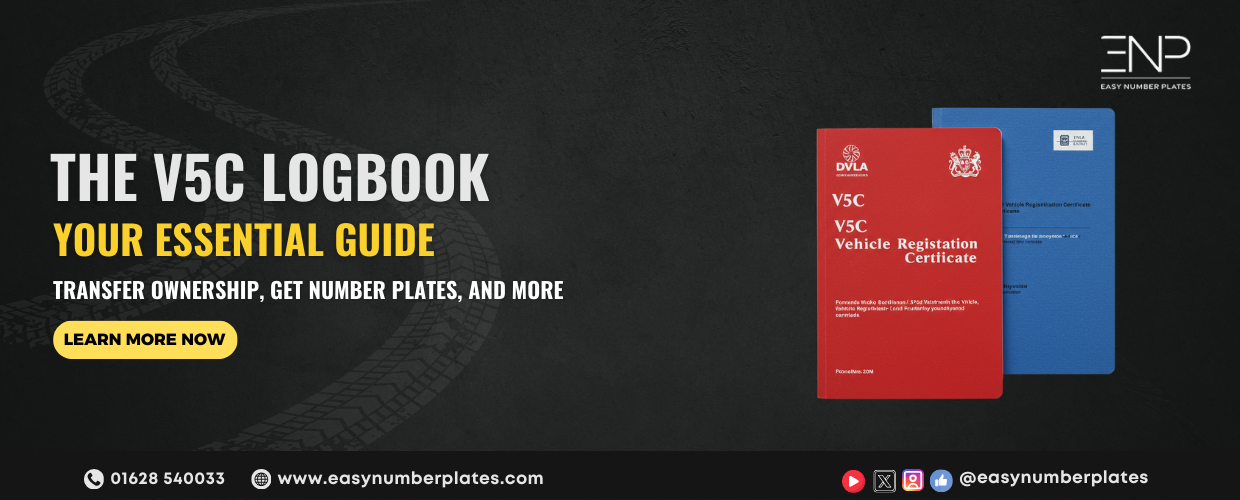
The V5C logbook is one of the most important documents for car owners in the UK. Whether you're buying, selling, or updating vehicle details, understanding the purpose of the V5C is essential. Issued by the DVLA (Driver and Vehicle Licensing Agency), this certificate confirms who is responsible for registering and taxing the vehicle.
In this guide, we’ll break down what a V5C is, what it includes, and how to use it when transferring ownership or applying for a replacement or even if you're planning to make a number plate for your vehicle.
The V5C logbook, officially called the V5C Registration Certificate, is a document that records the registered keeper of a vehicle. It’s not proof of ownership, but it shows who is responsible for the vehicle in terms of tax, MOT, and official communications.
This document is needed for several reasons:
For buyers, checking the V5C helps confirm that the seller is the registered keeper. If you’re buying privately, the address on the logbook should match where the car is being viewed. If it doesn’t, ask the seller for an explanation.
The V5C is a red and blue paper document with multiple sections. It includes all the necessary information about the vehicle and has marked areas for changes, updates, and ownership transfers.
Keep it in a safe place—losing it can delay selling or taxing the vehicle.
The V5C has 10 sections. Here’s what each section covers:
When selling a car privately:
You can also update ownership online through the DVLA website, which is faster than posting the V5C.
If your logbook is lost, stolen, or damaged, you can get a replacement by:
There is a £25 fee for replacement, and you’ll need:
You should receive the new V5C within five working days. If not, contact the DVLA. If it’s not received within six weeks and you haven’t contacted them, you may need to pay again.
The V5C logbook plays a key role in legal vehicle ownership in the UK. Whether you’re buying, selling, or updating your vehicle details, managing this document correctly keeps everything running smoothly and legally.
And if you’re looking to make a number plate that complies with UK regulations, don’t forget you’ll need a valid V5C to get started. Visit Easy Number Plates for fast and DVLA-compliant plates, made to your exact specification.


